AC Compressor Failure in South Miami: Causes, Costs, and Prevention
Published: 2026-05-31 · By AC Repair South Miami Pros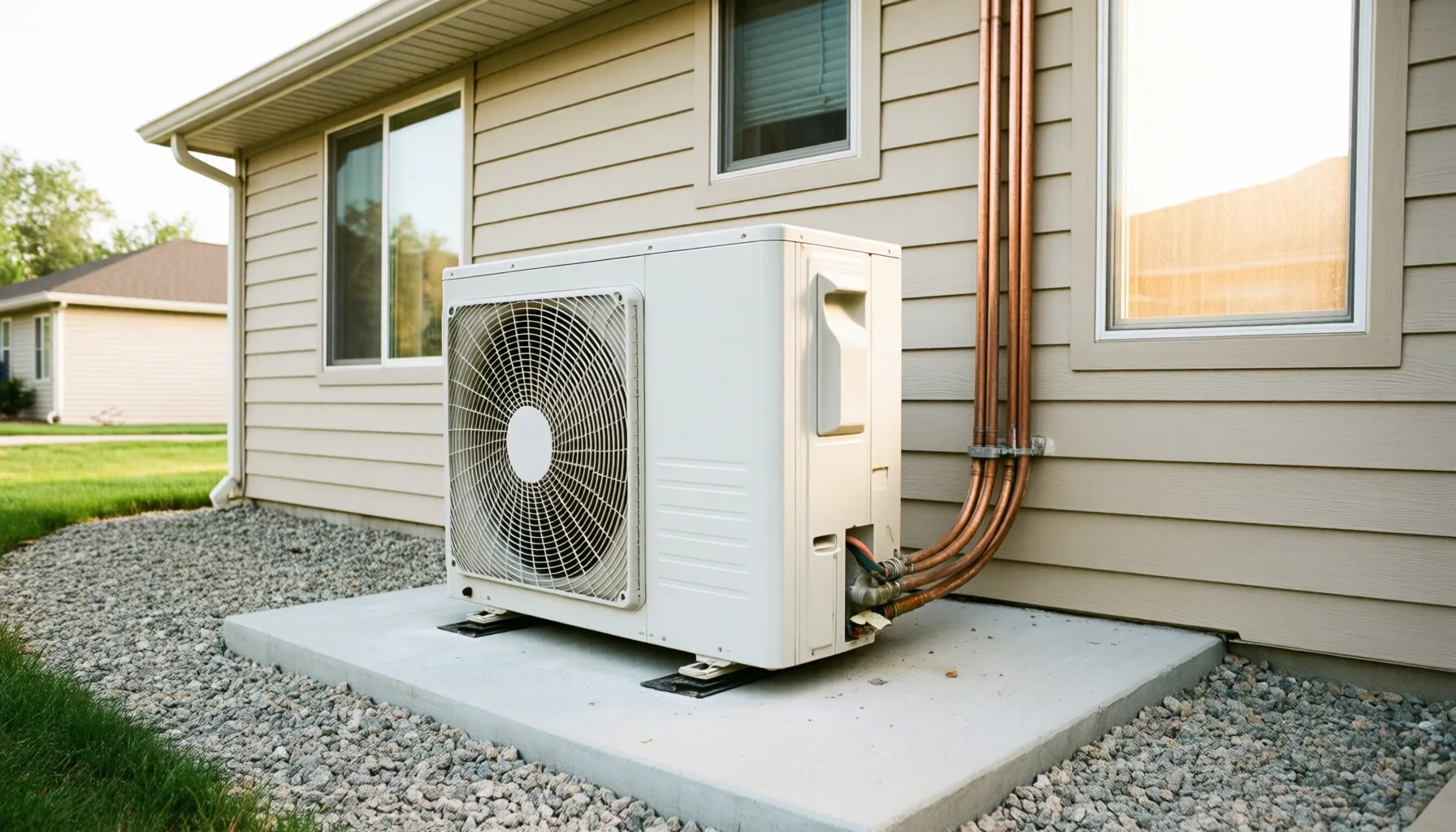
Imagine it’s a sweltering summer afternoon in South Miami, and your air conditioning unit suddenly sputters and fails. In the face of relentless humidity and the ominous threat of tropical storms, this scenario becomes more than just uncomfortable—it can lead to escalating costs and significant property damage. Understanding AC compressor failure can empower homeowners to take preventative measures, ensuring a cool and breathable home even during the most oppressive heatwaves.
Why This Matters for South Miami Homeowners
AC compressors are essential for any air conditioning system, serving as the heart of the unit by compressing refrigerant and facilitating heat exchange. In South Miami, where high humidity and corrosive salt air coexist, the risk of compressor failure is magnified. A compromised unit can lead to skyrocketing repair costs, which can range from $300 to $1,200 depending on the extent of damage and required parts. Furthermore, the tropical storms exacerbating corrosion can compound these issues and raise repair timelines.
Many local homeowners underestimate the importance of routine maintenance and the risks of neglect, often leading to catastrophic failures that could have been easily avoided. Not only do you risk your comfort, but you also risk the structural integrity of your entire HVAC system.
Moreover, understanding these challenges allows residents to foresee potential problems and take swift action. This knowledge can save money and preserve the performance of their systems, making AC unit care essential for long-term comfort.
Expert Solutions & Actionable Tips
1. Understanding Warning Signs of Compressor Failure
Pay close attention to your AC unit and know the early signs of compressor issues. If you hear unusual sounds like banging or hissing, or notice inconsistent cooling, these could indicate compressor troubles. Addressing these signs early can save you between $300-$1,000 on repairs.
Regularly check your system for vibrations or excessive heat emanating from the compressor, both of which can signal an impending failure. Homeowners should be aware that the sooner you address these issues, the better your chances of avoiding total breakdown.
2. Schedule Regular Maintenance
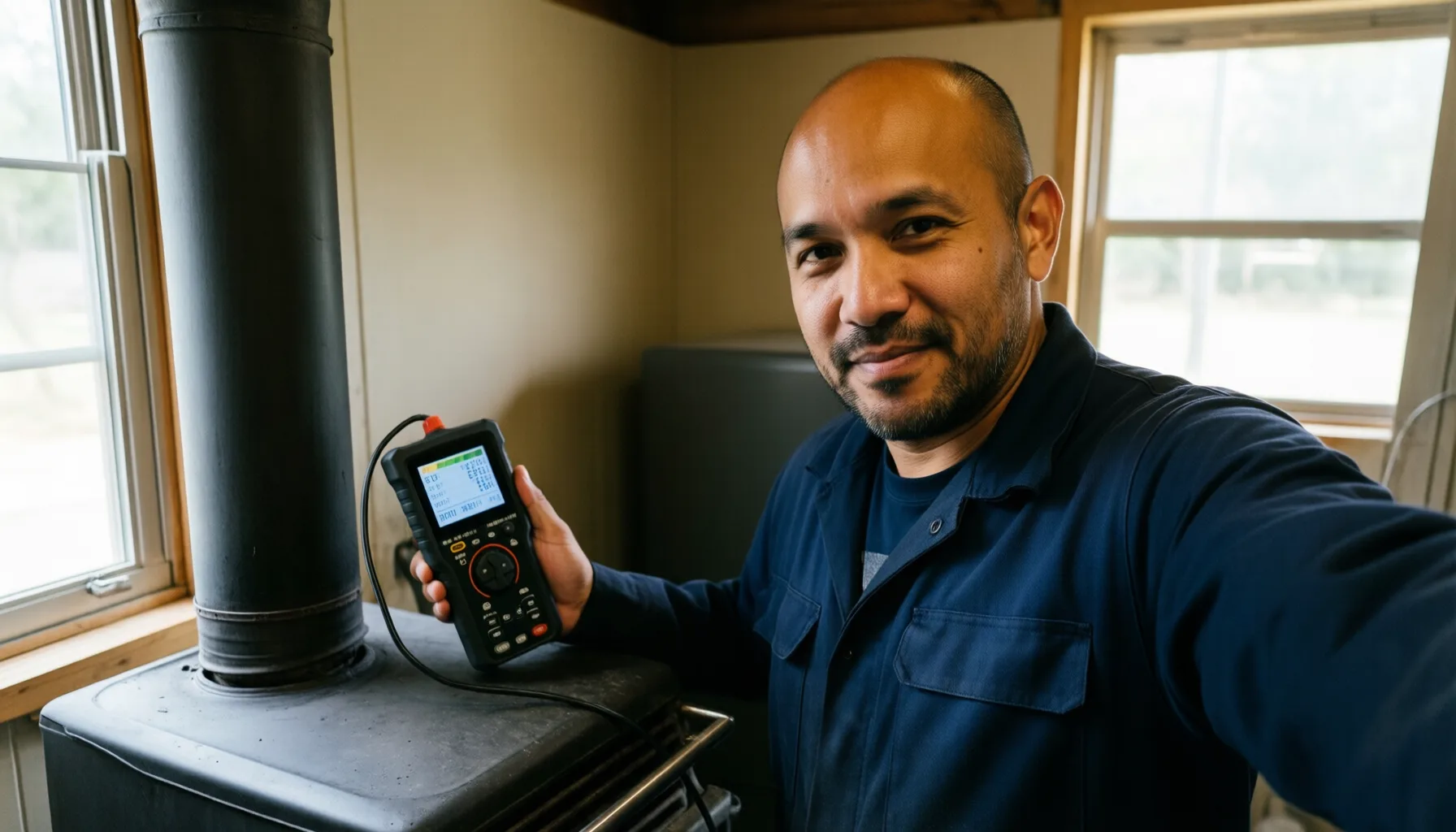
In humid environments like South Miami, scheduling biannual HVAC maintenance is vital. A typical maintenance check-up costs between $75 and $150. During these visits, technicians will inspect your compressor along with filters and coils, ensuring everything is operating efficiently.
Regular maintenance not only extends the life of your unit but also significantly reduces the chances of an emergency repair, which can escalate in costs and disrupt your comfort at home during peak heat seasons.
3. Inspect Your Wiring and Connections
Corrosion due to salt air can create significant risks for AC systems. Regularly inspect electrical connections and wiring for signs of wear and corrosion. A simple fix can prevent a costly compressor failure, which can be upwards of $1,200 when fully replaced.
Hiring a professional to perform these checks saves you time and potentially large expenses associated with neglecting these critical components.
4. Be Mindful of Your Thermostat Settings
Setting your thermostat too low can cause excessive strain on your compressor. Maintain a comfortable temperature between 74°F and 78°F. This not only prolongs the compressor's lifespan but also minimizes energy consumption, keeping utility bills in check.
Understanding this balance is especially critical in the humid South Miami climate, where an overloaded system can lead to faster deterioration and higher repairs costs.
5. Invest in Quality Parts
When replacing components, invest in high-quality parts designed for humid environments. While the upfront cost may be higher, often ranging from $100 to $400 depending on the component, quality parts that resist corrosion can save you considerably over time. They enhance the resilience of your system against South Miami’s harsh coastal climate.
Working with reputable local suppliers ensures access to products designed specifically for your region's challenges, maximizing your system's lifespan.
6. Emergency Repairs: Know When to Act
When faced with a potential compressor failure, swift and decisive action is key. If you notice any combination of strange noises, inefficient airflow, or electrical issues, contact a local pro immediately. A prompt repair can significantly reduce your costs—what starts as a minor issue can quickly escalate to a total system failure, costing you more than $1,500.
Understanding the urgency associated with these signs allows you to take action before it’s too late.
South Miami Climate & Local Context
South Miami's tropical climate significantly impacts air conditioning needs, making regular upkeep an absolute necessity. Humidity levels soar, often exceeding 90% during the summer months, wreaking havoc on metal components and leading to corrosion. Local homes, typically elevated with moisture barriers, are constructed to mitigate these issues, but even the best building conditions can't completely stave off degradation caused by salt air.
Furthermore, local building codes mandate that all HVAC systems must comply with humidity and ventilation standards. Homeowners must ensure that their units are properly installed and maintained to meet these regulations. Failure to do so not only jeopardizes comfort but could lead to fines during inspections.
When to Call a Professional
Knowing when to call in professionals is crucial in maintaining your air conditioning system, especially for compressor-related issues. While some minor tasks like changing air filters can safely fall within a homeowner's skills, there are dangerous red flags to watch out for.
- Banging or clanging noises from your unit.
- Unexpected spikes in your energy bill.
- Inconsistent cooling comfort throughout your home.
- Warm air blowing from vents despite the AC running.
- Frequent circuit breaker trips.
- Unusual smells or smoke emanating from the unit.
If you encounter any of these signs, it's time to reach out to AC Repair South Miami Pros. A simple consultation can save time, money, and ensure a cool, comfortable home during the hottest months of the year.
Frequently Asked Questions
What are common signs of AC compressor failure?
Common indications include odd noises, warm air blowing from vents, and inconsistent cooling. If you notice any of these signs, it’s essential to act quickly.
How much does it typically cost to replace an AC compressor in South Miami?
On average, replacing an AC compressor can range from $1,300 to $2,500, with costs fluctuating based on the specific unit and labor.
What preventative measures can I take to extend the life of my AC unit?
Regular maintenance, timely filter changes, and keeping electrical connections clean are all effective in prolonging your AC’s lifespan.
Is it worth getting HVAC maintenance in South Miami?
Yes, routine maintenance can save homeowners significant costs and downtime, especially in humid areas like South Miami, where AC units bear additional stress.
What should I do if my air conditioning unit fails?
Contact a professional immediately for an assessment. Delaying may aggravate the issue, leading to higher repair costs down the line.
Get Expert Air Conditioning Repair Service in South Miami
If you're facing issues with your air conditioning compressor or have questions about maintaining your system, don't hesitate to reach out. Call (786) 386-4871 today for expert assistance from AC Repair South Miami Pros. We’re dedicated to keeping your home cool and comfortable amidst the tropical heat!
Let us help you protect your investment and ensure your AC system runs smoothly all summer long!
Related Services
Service Areas
More Articles
8 Things Your South Miami AC Technician Checks During a Tune-Up
2026-05-31
Air Conditioning RepairTop 5 AC Problems South Miami Homeowners Report Every Summer
2026-05-31
Air Conditioning RepairComparing Air Conditioning Repair Services in South Miami: A 2026 Buyer's Guide
2026-05-31